Tag: headache

  • 12 Common Migraine Triggers — Causes & How to Avoid Them

    Migraine is a neurological condition — not simply a bad headache. Attacks often involve throbbing pain on one side, nausea, light and sound sensitivity, and can last hours to days. Identifying your personal triggers is one of the most effective ways to reduce how often migraines occur. Triggers vary between people, but certain patterns appear again and again in clinical research and patient experience.

    Common Causes and Triggers

    • Stress and relaxation after stress — both acute stress and the “let-down” period after a stressful week can trigger attacks
    • Sleep disruption — too little sleep, oversleeping, or irregular sleep schedules
    • Skipped meals and dehydration — low blood sugar and fluid loss are frequent triggers
    • Hormonal changes — menstruation, ovulation, pregnancy, and perimenopause in women
    • Certain foods and drinks — aged cheese, processed meats, chocolate, alcohol (especially red wine), and excessive caffeine
    • Food additives — monosodium glutamate (MSG) and artificial sweeteners such as aspartame in some people
    • Strong sensory stimuli — bright or flickering lights, loud noise, strong perfumes
    • Weather changes — barometric pressure shifts, extreme heat, or humidity
    • Physical exertion — intense exercise without adequate warm-up or hydration
    • Medications — hormone therapy, some vasodilators, and overuse of pain relievers (rebound headache)
    • Neck and jaw tension — teeth grinding, poor posture, or temporomandibular joint (TMJ) problems
    • Screen overuse — prolonged digital device use causing eye strain and postural tension
    Important: A trigger does not always cause a migraine every time. Most people have several triggers that combine — for example, poor sleep plus skipped breakfast plus a stressful day.

    Home Care Steps to Reduce Triggers

    Practical prevention at home
    1
    Keep a migraine diary
    Record sleep hours, meals, stress level, weather, and menstrual cycle alongside each attack. After 4–8 weeks, patterns usually become clear. Free apps or a simple notebook both work.
    2
    Maintain regular sleep and meals
    Go to bed and wake at consistent times — even on weekends. Eat balanced meals at regular intervals and drink water throughout the day.
    3
    Manage caffeine carefully
    Keep daily intake steady rather than alternating between heavy use and withdrawal. Sudden caffeine cuts often trigger headaches.
    4
    Test dietary triggers systematically
    Remove suspected foods for 2–4 weeks, then reintroduce one at a time. Avoid eliminating entire food groups without medical guidance.
    5
    Reduce sensory overload during high-risk periods
    Wear sunglasses outdoors, use blue-light filters on screens, and take breaks in quiet, dimly lit spaces when you feel an attack building.
    6
    Address neck and jaw tension
    Gentle neck stretches, ergonomic desk setup, and a night guard for teeth grinding can reduce musculoskeletal triggers.

    When to See a Doctor

    • Migraines occur more than 4 days per month or significantly disrupt work and daily life
    • Over-the-counter pain relief is needed more than 10 days per month
    • Headache pattern changes suddenly — new type, new severity, or new symptoms
    • Headache with fever, stiff neck, weakness, vision loss, or confusion
    • First migraine after age 50, or first migraine during pregnancy
    • Aura symptoms last longer than 60 minutes or occur without headache

    Frequently Asked Questions

    Can weather really trigger migraines?

    Yes. Many people report attacks linked to falling barometric pressure, storms, or extreme heat. You cannot control weather, but knowing this trigger helps you prepare — stay hydrated, maintain sleep, and have your acute treatment plan ready on high-risk days.

    Is chocolate a migraine trigger or a craving before an attack?

    Both scenarios occur. Some people are genuinely sensitive to chocolate. In others, chocolate craving is an early symptom of a migraine already starting — not the cause. A diary helps distinguish true food triggers from pre-attack cravings.

    How long should I try trigger avoidance before seeing a specialist?

    Give lifestyle changes and a detailed diary at least 8–12 weeks. If attacks remain frequent or severe despite consistent prevention, a neurologist or headache specialist can discuss preventive medications and targeted therapies.

    Does stress management actually reduce migraines?

    Evidence supports relaxation techniques — mindfulness, paced breathing, progressive muscle relaxation, and regular moderate exercise — as helpful additions to medical treatment. They reduce attack frequency in many patients when practised consistently.

    This article is for general educational purposes only and is not a substitute for professional medical advice. Always consult a qualified healthcare provider for your specific situation. Last reviewed: May 2026. Read our full Medical Disclaimer.
  • Migraine vs Headache — Key Differences in Symptoms & Treatment

    Most people use “headache” and “migraine” interchangeably, but they are not the same. A headache is a symptom — pain in the head — that can have many causes. Migraine is a specific neurological disorder with distinct features, phases, and treatment approaches. Knowing the difference helps you choose the right home care and know when to seek medical help.

    Quick Comparison: Migraine vs Common Headache

    Feature Typical Tension Headache Migraine
    Pain quality Dull, pressing, band-like pressure Throbbing or pulsating, often one-sided
    Intensity Mild to moderate Moderate to severe — may stop daily activities
    Duration 30 minutes to several hours 4–72 hours if untreated
    Associated symptoms Neck or shoulder tension; rarely nausea Nausea, vomiting, light/sound sensitivity
    Physical activity Usually not worsened by movement Often worsens with routine activity
    Warning signs (aura) None Visual disturbances, tingling in ~25% of cases
    Triggers Stress, poor posture, eye strain Hormones, food, sleep changes, weather, stress

    Types of Non-Migraine Headaches

    • Tension-type headache — the most common form; feels like a tight band around the head
    • Sinus headache — facial pressure with nasal congestion during a cold or allergy flare
    • Dehydration or hunger headache — improves quickly with fluids and food
    • Rebound headache — from overusing pain relievers more than 10–15 days per month
    • Secondary headaches — caused by an underlying condition such as infection, high blood pressure, or eye problems

    What Makes Migraine Different

    Migraine is a recurring brain disorder involving abnormal nerve signalling and blood vessel changes. Attacks often progress through phases: prodrome (mood or food cravings hours before), aura (in some people), headache phase, and postdrome (fatigue and “brain fog” after pain subsides).

    Key migraine features include photophobia (light sensitivity), phonophobia (sound sensitivity), and nausea severe enough to prevent eating. Many Indian patients report attacks worsening during summer heat, fasting during festivals, or irregular meal times — all consistent with known triggers.

    Remember: You can have both tension headaches and migraines. Keeping a symptom diary for 4–8 weeks helps your doctor distinguish patterns and recommend appropriate treatment.

    Treatment Differences at Home

    Matching care to headache type
    1
    Tension headache
    Neck stretches, warm compress, hydration, paracetamol, and stress reduction usually suffice. Address posture and screen breaks if headaches occur after desk work.
    2
    Migraine — early treatment
    Take prescribed acute medication at the first sign of attack. Rest in a dark, quiet room. Avoid triggers you have identified. Do not wait until pain peaks — early treatment works better.
    3
    Migraine — prevention
    Regular sleep, consistent meals, trigger avoidance, and doctor-prescribed preventive drugs if attacks are frequent. Tension-headache remedies alone are often insufficient.

    When to See a Doctor

    • Headache is sudden, severe, and unlike anything you have felt before (“thunderclap”)
    • Headache with fever, stiff neck, rash, or confusion
    • Neurological symptoms: weakness, slurred speech, vision loss, or balance problems
    • Headache after head injury
    • Pattern change — new type, increasing frequency, or not responding to usual treatment
    • Headache waking you from sleep or worse in the morning consistently
    Red flag: A severe headache with fever and neck stiffness may indicate meningitis — seek emergency care immediately.

    Frequently Asked Questions

    Can a headache turn into a migraine?

    A single headache episode does not “become” migraine. However, if your headaches match migraine criteria — throbbing one-sided pain with nausea and light sensitivity — you may have been experiencing migraines rather than ordinary tension headaches. A doctor can confirm the diagnosis using standard criteria (ICHD-3).

    Is migraine just a severe headache?

    No. Severity alone does not define migraine. The combination of associated symptoms (nausea, sensitivity, activity worsening), duration, and recurrence pattern distinguishes migraine from other headache types. Some migraine attacks involve moderate pain but still qualify as migraine.

    Do I need a brain scan for migraine?

    Not always. If your history is typical and neurological examination is normal, scans are often unnecessary. Doctors order imaging when red flags appear — sudden onset, abnormal exam, or atypical features — to rule out secondary causes.

    Which painkiller works for both?

    Paracetamol helps mild tension headaches and some mild migraines. Migraine-specific treatment may require triptans or anti-nausea medication prescribed by a doctor. Avoid using pain relievers more than 10 days per month — overuse causes rebound headaches regardless of type.

    This article is for general educational purposes only and is not a substitute for professional medical advice. Always consult a qualified healthcare provider for your specific situation. Last reviewed: March 2026. Read our full Medical Disclaimer.
  • What To Do If You Get Sick with H1N1 Swine Flu?

    swine flu virusHow do I know if I have the flu?

    You may have the flu if you have some or all of these symptoms:

    * fever *
    * cough
    * sore throat
    * runny or stuffy nose
    * body aches
    * headache
    * chills
    * fatigue
    * sometimes diarrhea and vomiting

    *It’s important to note that not everyone with flu will have a fever.

    What should I do if I get sick?

    If you get sick with flu-like symptoms this flu season, you should stay home and avoid contact with other people except to get medical care. Most people with 2009 H1N1 have had mild illness and have not needed medical care or antiviral drugs and the same is true of seasonal flu.

    However, some people are more likely to get flu complications and they should talk to a health care provider about whether they need to be examined if they get flu symptoms this season. They are:

    People at High Risk for Developing Flu-Related Complications

    * Children younger than 5, but especially children younger than 2 years old
    * Adults 65 years of age and older
    * Pregnant women

    People who have:

    * Asthma
    * Neurological and neuro-developmental conditions [including disorders of the brain, spinal cord, peripheral nerve, and muscle such as cerebral palsy, epilepsy (seizure disorders), stroke, intellectual disability (mental retardation), moderate to severe developmental delay, muscular dystrophy, or spinal cord injury].
    * Chronic lung disease (such as chronic obstructive pulmonary disease [COPD] and cystic fibrosis)
    * Heart disease (such as congenital heart disease, congestive heart failure and coronary artery disease)
    * Blood disorders (such as sickle cell disease)
    * Endocrine disorders (such as diabetes mellitus)
    * Kidney disorders
    * Liver disorders
    * Metabolic disorders (such as inherited metabolic disorders and mitochondrial disorders)
    * Weakened immune system due to disease or medication (such as people with HIV or AIDS, or cancer, or those on chronic steroids)
    * People younger than 19 years of age who are receiving long-term aspirin therapy

    The Advisory Committee on Immunization Practices (ACIP) has issued separate recommendations on Who Should Get Vaccinated Against Seasonal Flu. Also, it’s possible for healthy people to develop severe illness from the flu so anyone concerned about their illness should consult a health care provider. There are emergency warning signs. Anyone who has them should get medical care right away.

    What are the emergency warning signs?

    In children

    * Fast breathing or trouble breathing
    * Bluish skin color
    * Not drinking enough fluids
    * Not waking up or not interacting
    * Being so irritable that the child does not want to be held
    * Flu-like symptoms improve but then return with fever and worse cough
    * Fever with a rash

    In adults

    * Difficulty breathing or shortness of breath
    * Pain or pressure in the chest or abdomen
    * Sudden dizziness
    * Confusion
    * Severe or persistent vomiting
    * Flu-like symptoms improve but then return with fever and worse cough

    Do I need to go to the emergency room if I am only a little sick?

    No. The emergency room should be used for people who are very sick. You should not go to the emergency room if you are only mildly ill. If you have the emergency warning signs of flu sickness, you should go to the emergency room. If you get sick with flu symptoms and are at high risk of flu complications or you are concerned about your illness, call your health care provider for advice. If you go to the emergency room and you are not sick with the flu, you may catch it from people who do have it

    Are there medicines to treat 2009 H1N1?

    Yes. There are drugs your doctor may prescribe for treating both seasonal and 2009 H1N1 called “antiviral drugs.” These drugs can make you better faster and may also prevent serious complications. This flu season, antiviral drugs are being used mainly to treat people who are very sick, such as people who need to be hospitalized, and to treat sick people who are more likely to get serious flu complications. Your health care provider will decide whether antiviral drugs are needed to treat your illness. Remember, most people with 2009 H1N1 have had mild illness and have not needed medical care or antiviral drugs and the same is true of seasonal flu.
    How long should I stay home if I’m sick?

    CDC recommends that you stay home for at least 24 hours after your fever is gone except to get medical care or for other things you have to do and no one else can do for you. (Your fever should be gone without the use of a fever-reducing medicine*, such as Tylenol®.) You should stay home from work, school, travel, shopping, social events, and public gatherings.

    What should I do while I’m sick?

    Stay away from others as much as possible to keep from making them sick. If you must leave home, for example to get medical care, wear a face mask if you have one, or cover coughs and sneezes with a tissue. And wash your hands often to keep from spreading flu to others. CDC has information on “Taking Care of a Sick Person in Your Home”.

  • Few suspected dietary migraine triggers

    Few suspected dietary migraine triggers

    {{ brizy_dc_image_alt uid='wp-615e5570b6a99ba18da15324c52ca2a6.jpg' }}

    HOME

    DOCTOR

    Editor

    According to a 2004 study, migraine headaches affect 12% of the adult population in the United States. Lack of food or sleep, exposure to light, anxiety, stress, fatigue, or hormonal irregularities (in women) can set off a migraine attack. Exercise, relaxation, and avoiding trigger foods may have a role in migraine treatment.

    Dietary Triggers

    Dietary triggers may affect the migraine process by influencing the release of serotonin and norepinephrine, causing constriction or dilation of blood vessels, or by direct stimulation of the nervous system.  Reactions are often within 24 hours after an implicated food has been consumed.  Nausea, vomiting, and acute sensitivity to light, smell, or sound may occur.

    {{ brizy_dc_image_alt uid='wp-582035fff3990381bf8b26501c97bf83.jpg' }}

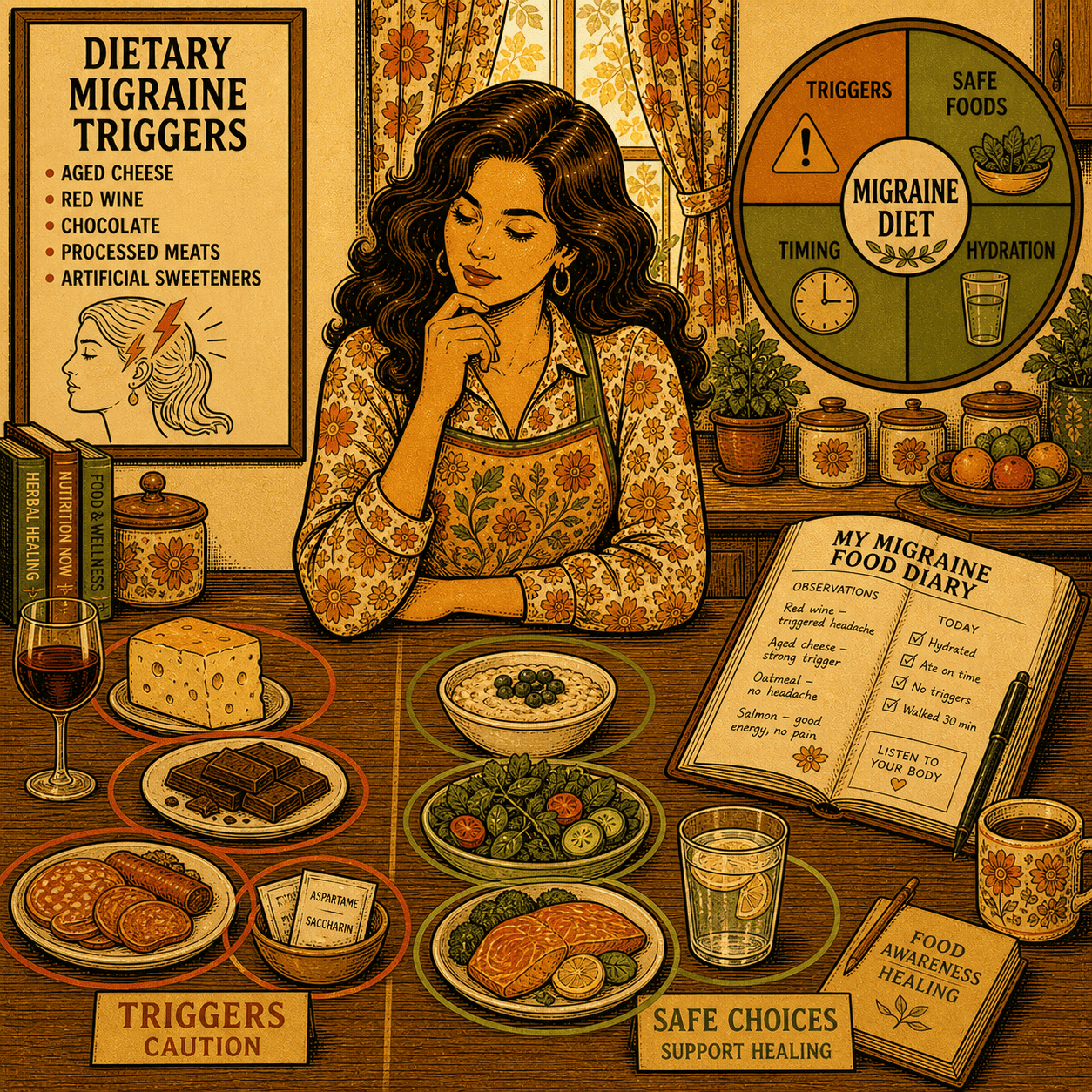
    Suspected dietary migraine triggers include:

    • Alcohol such as red wine, champagne, and beer

    • Rapidly cutting back on caffeine-containing products such as coffee, tea, and cola can trigger caffeine-withdrawal headaches

    • Aged cheese such as cheddar, brie, and camembert

    • Bananas, figs, raisins, and citrus fruits

    • Ice cream or other foods at extreme temperatures

    • Nuts and peanut butter

    • Hot dogs, bacon, ham, salami, chicken livers, and shrimp

    • Packaged potato products

    • Onions, pea pods, and lima beans

    • Monosodium glutamate and aspartame

    • Chocolate


    One who suffers from migraines is likely not sensitive to all of these potential dietary triggers and, therefore, avoidance of all these foods is not encouraged. Treatment begins with a headache and diet diary.


    Depending on how often your headaches occur, you may need to keep the diary for several weeks. By recording foods eaten and the times that headaches occur, if food sensitivities exist, a pattern may be identified. That food(s) can then be avoided to prevent future headaches.

    Other lifestyle changes that may prevent migraines include following a meal and snack schedule, exercising, weight loss if overweight, increasing the intake of canola oil and fish from the diet, and after consultation with a physician, use of magnesium and fish oil capsules.


  • Can cold packs ease migraine pain?

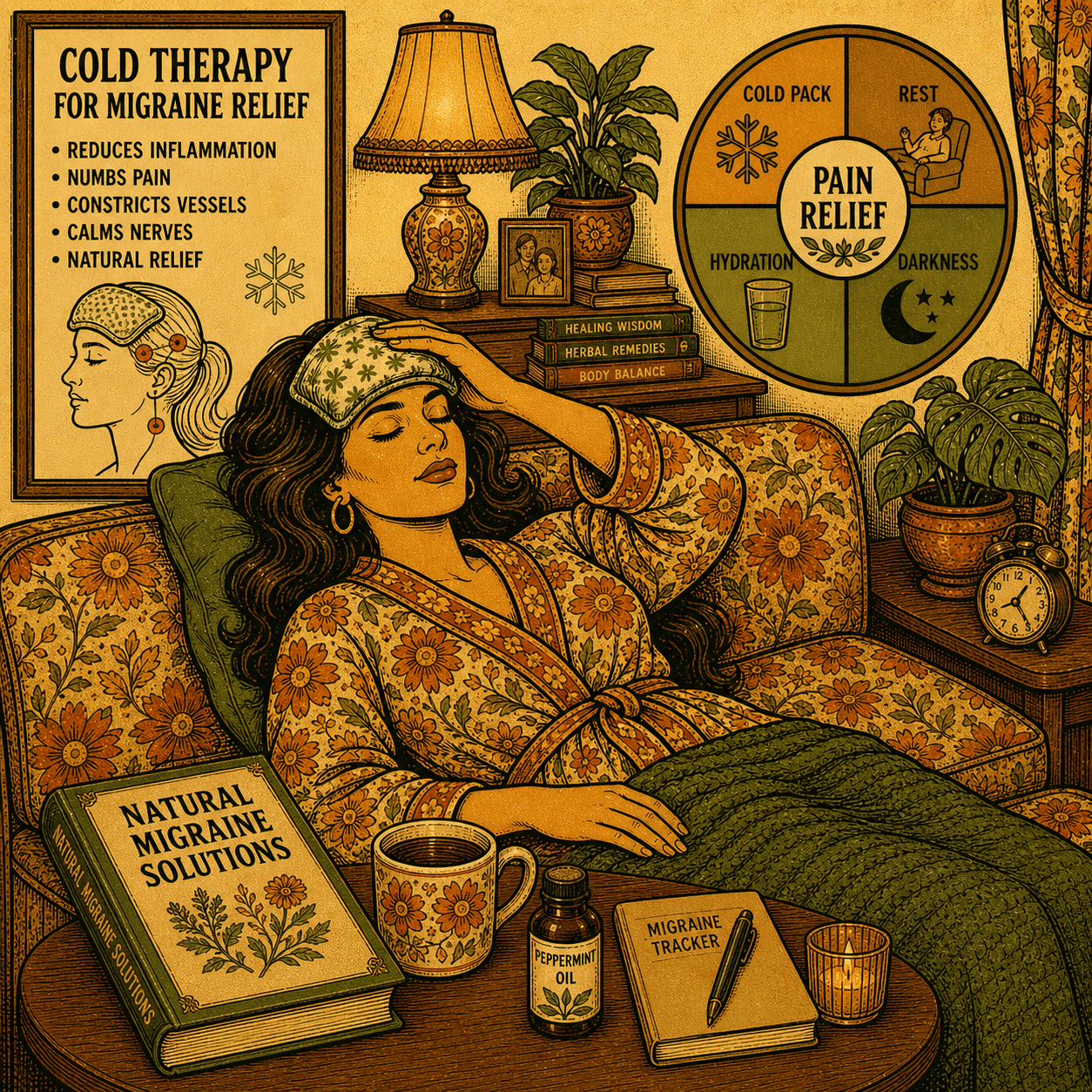
    Can cold packs ease migraine pain?

    The word ” headache” doesn’t really do justice to a migraine. Migraines don’t just ache; they take over. Once the pain starts, it’s hard to think about anything else.

    Millions of migraineurs tackle their pain with prescription or over-the-counter drugs. But there are other options. For about $4, you can buy a pack of four WellPatch Migraine pads from Mentholatum. Users are instructed to stick a pad on their forehead as soon as pain starts. The pad is filled with a watery gel that starts evaporating when the package is opened. The evaporation cools the skin beneath the pad, a sensation that’s enhanced by a subtle scent of menthol. According to the package, the cooling lasts up to eight hours.

    cool pack for migraineMigraine Be Koool pads, a very similar product from Kobayashi Healthcare, also sell for about $1 each. Like the WellPatch Migraine pads, Migraine BeKoool pads stick directly to the forehead and cool the skin through evaporation. And, like the WellPatch, they have a little menthol for extra cooling.

    The Thera-Med Headache Band from Carex takes a colder approach to migraine relief. Unlike the WellPatch or Be Koool pads, it chills out in the freezer or refrigerator when not in use. The band, which is held in place with Velcro straps, contains a “micro-gel” that freezes without hardening. One side of the band is covered in fabric for a more gentle cool-down, kind of like wrapping a towel around an ice pack. People who want extra cold can use the side without the fabric. Expect to pay less than $10 for each band, which can be reused indefinitely.

    The claims: The WellPatch website says that the pad “cools and soothes the discomfort associated with migraine.” Todd Cantrell, director of marketing at Mentholatum, clarifies that the pads don’t really treat the migraine itself but can make the whole experience a little more bearable.

    The website for Migraine Be Koool says that “nothing provides more immediate and soothing relief to migraine headaches than Migraine Be Koool.” Kobayashi Healthcare didn’t respond to requests for comment.

    The Thera-Med website says that the band “helps relieve migraine, tension and sinus headaches.” It also says that “researchers have found that cold treatment is shown to be effective in 50-60% of headache sufferers.” Fred Thiemann, a product manager for Carex, notes that “many people spend lots of money on drugs for headaches,” adding that the pad could “solve their problem” at a fraction of the price.