Tag: migraine triggers

  • 12 Common Migraine Triggers — Causes & How to Avoid Them

    Migraine is a neurological condition — not simply a bad headache. Attacks often involve throbbing pain on one side, nausea, light and sound sensitivity, and can last hours to days. Identifying your personal triggers is one of the most effective ways to reduce how often migraines occur. Triggers vary between people, but certain patterns appear again and again in clinical research and patient experience.

    Common Causes and Triggers

    • Stress and relaxation after stress — both acute stress and the “let-down” period after a stressful week can trigger attacks
    • Sleep disruption — too little sleep, oversleeping, or irregular sleep schedules
    • Skipped meals and dehydration — low blood sugar and fluid loss are frequent triggers
    • Hormonal changes — menstruation, ovulation, pregnancy, and perimenopause in women
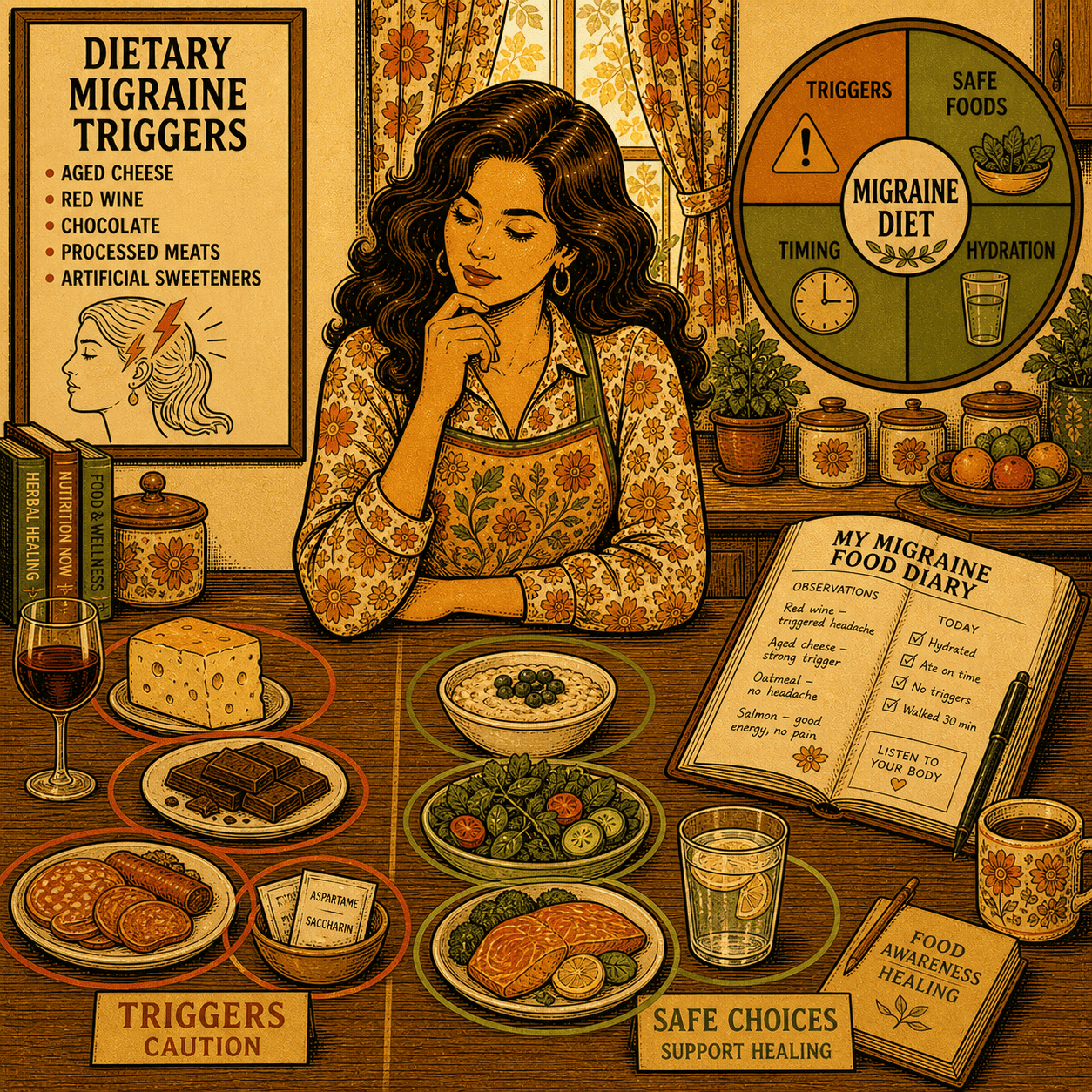
    • Certain foods and drinks — aged cheese, processed meats, chocolate, alcohol (especially red wine), and excessive caffeine
    • Food additives — monosodium glutamate (MSG) and artificial sweeteners such as aspartame in some people
    • Strong sensory stimuli — bright or flickering lights, loud noise, strong perfumes
    • Weather changes — barometric pressure shifts, extreme heat, or humidity
    • Physical exertion — intense exercise without adequate warm-up or hydration
    • Medications — hormone therapy, some vasodilators, and overuse of pain relievers (rebound headache)
    • Neck and jaw tension — teeth grinding, poor posture, or temporomandibular joint (TMJ) problems
    • Screen overuse — prolonged digital device use causing eye strain and postural tension
    Important: A trigger does not always cause a migraine every time. Most people have several triggers that combine — for example, poor sleep plus skipped breakfast plus a stressful day.

    Home Care Steps to Reduce Triggers

    Practical prevention at home
    1
    Keep a migraine diary
    Record sleep hours, meals, stress level, weather, and menstrual cycle alongside each attack. After 4–8 weeks, patterns usually become clear. Free apps or a simple notebook both work.
    2
    Maintain regular sleep and meals
    Go to bed and wake at consistent times — even on weekends. Eat balanced meals at regular intervals and drink water throughout the day.
    3
    Manage caffeine carefully
    Keep daily intake steady rather than alternating between heavy use and withdrawal. Sudden caffeine cuts often trigger headaches.
    4
    Test dietary triggers systematically
    Remove suspected foods for 2–4 weeks, then reintroduce one at a time. Avoid eliminating entire food groups without medical guidance.
    5
    Reduce sensory overload during high-risk periods
    Wear sunglasses outdoors, use blue-light filters on screens, and take breaks in quiet, dimly lit spaces when you feel an attack building.
    6
    Address neck and jaw tension
    Gentle neck stretches, ergonomic desk setup, and a night guard for teeth grinding can reduce musculoskeletal triggers.

    When to See a Doctor

    • Migraines occur more than 4 days per month or significantly disrupt work and daily life
    • Over-the-counter pain relief is needed more than 10 days per month
    • Headache pattern changes suddenly — new type, new severity, or new symptoms
    • Headache with fever, stiff neck, weakness, vision loss, or confusion
    • First migraine after age 50, or first migraine during pregnancy
    • Aura symptoms last longer than 60 minutes or occur without headache

    Frequently Asked Questions

    Can weather really trigger migraines?

    Yes. Many people report attacks linked to falling barometric pressure, storms, or extreme heat. You cannot control weather, but knowing this trigger helps you prepare — stay hydrated, maintain sleep, and have your acute treatment plan ready on high-risk days.

    Is chocolate a migraine trigger or a craving before an attack?

    Both scenarios occur. Some people are genuinely sensitive to chocolate. In others, chocolate craving is an early symptom of a migraine already starting — not the cause. A diary helps distinguish true food triggers from pre-attack cravings.

    How long should I try trigger avoidance before seeing a specialist?

    Give lifestyle changes and a detailed diary at least 8–12 weeks. If attacks remain frequent or severe despite consistent prevention, a neurologist or headache specialist can discuss preventive medications and targeted therapies.

    Does stress management actually reduce migraines?

    Evidence supports relaxation techniques — mindfulness, paced breathing, progressive muscle relaxation, and regular moderate exercise — as helpful additions to medical treatment. They reduce attack frequency in many patients when practised consistently.
    This article is for general educational purposes only and is not a substitute for professional medical advice. Always consult a qualified healthcare provider for your specific situation. Last reviewed: May 2026. Read our full Medical Disclaimer.
  • Few suspected dietary migraine triggers

    Few suspected dietary migraine triggers

    {{ brizy_dc_image_alt uid='wp-615e5570b6a99ba18da15324c52ca2a6.jpg' }}

    HOME

    DOCTOR

    Editor

    According to a 2004 study, migraine headaches affect 12% of the adult population in the United States. Lack of food or sleep, exposure to light, anxiety, stress, fatigue, or hormonal irregularities (in women) can set off a migraine attack. Exercise, relaxation, and avoiding trigger foods may have a role in migraine treatment.

    Dietary Triggers

    Dietary triggers may affect the migraine process by influencing the release of serotonin and norepinephrine, causing constriction or dilation of blood vessels, or by direct stimulation of the nervous system.  Reactions are often within 24 hours after an implicated food has been consumed.  Nausea, vomiting, and acute sensitivity to light, smell, or sound may occur.

    {{ brizy_dc_image_alt uid='wp-582035fff3990381bf8b26501c97bf83.jpg' }}

    Suspected dietary migraine triggers include:

    • Alcohol such as red wine, champagne, and beer

    • Rapidly cutting back on caffeine-containing products such as coffee, tea, and cola can trigger caffeine-withdrawal headaches

    • Aged cheese such as cheddar, brie, and camembert

    • Bananas, figs, raisins, and citrus fruits

    • Ice cream or other foods at extreme temperatures

    • Nuts and peanut butter

    • Hot dogs, bacon, ham, salami, chicken livers, and shrimp

    • Packaged potato products

    • Onions, pea pods, and lima beans

    • Monosodium glutamate and aspartame

    • Chocolate


    One who suffers from migraines is likely not sensitive to all of these potential dietary triggers and, therefore, avoidance of all these foods is not encouraged. Treatment begins with a headache and diet diary.


    Depending on how often your headaches occur, you may need to keep the diary for several weeks. By recording foods eaten and the times that headaches occur, if food sensitivities exist, a pattern may be identified. That food(s) can then be avoided to prevent future headaches.

    Other lifestyle changes that may prevent migraines include following a meal and snack schedule, exercising, weight loss if overweight, increasing the intake of canola oil and fish from the diet, and after consultation with a physician, use of magnesium and fish oil capsules.